Vitamin D May Delay the Onset of Aging

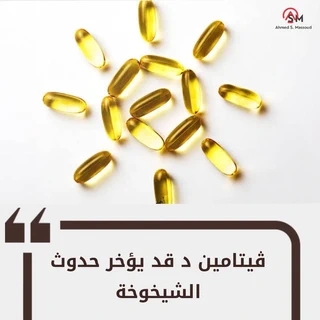 Image credit: Ahmed Massoud
Could a small vitamin D capsule slow down your biological age—or, in other words, change the way your body ages?
In a new study published in The American Journal of Clinical Nutrition, researchers found that long-term supplementation with vitamin D3 helped slow telomere shortening. Telomeres are structures located at the ends of chromosomes inside body cells, and their role is to protect chromosomes—which carry genetic material—from deterioration or fusion with other chromosomes. Telomere length naturally decreases with age.
The study was based on data from a large clinical trial known as VITAL, which included more than 1,000 participants over the age of 50 and followed them for four years.
What’s remarkable? Participants who took vitamin D3 showed a significantly slower rate of telomere shortening in white blood cells compared to those who received a placebo. This effect may correspond to a reduction equivalent to approximately three years of biological aging.
The results also indicated that the beneficial effect of vitamin D was more pronounced in non-obese individuals, those not taking cholesterol-lowering medications, and non-White participants.
So how does vitamin D work?
The researchers hypothesized that vitamin D may activate enzymes such as telomerase, which helps maintain telomere length, or protect DNA from oxidative stress and damage.
However, before getting too excited…
The researchers themselves emphasized that this was a secondary analysis, meaning the findings are not definitive and require larger, more comprehensive studies for confirmation. In addition, the study population was not sufficiently diverse to allow broad generalization of the results.
Nevertheless, if future studies confirm these findings, we may be on the verge of a shift in how we approach the prevention of age-related diseases—and vitamin D could emerge as a new key to maintaining cellular health.
Source:
🔗 https://doi.org/10.1016/j.ajcnut.2025.05.003
Click for Arabic Translation - النص بالعربية
في دراسة جديدة نُشرت في مجلة The American Journal of Clinical Nutrition، اكتشف باحثون أن تناول ڤيتامين D3 على مدى سنوات ساعد على تباطؤ قِصر التيلوميرات (Telomeres) – وهي أجزاء موجودة في نهايات الكروموسومات داخل خلايا الجسم، ووظيفتها حماية الكروموسومات اللي بتمثل المادة الوراثية من التآكل أو الإندماج مع كروموسومات أخرى، وبيقصر طولها مع التقدم في العمر.
الدراسة اعتمدت على بيانات من تجربة كبيرة اسمها VITAL، شملت أكثر من 1000 شخص فوق سن الخمسين، وتم متابعتهم على مدار أربع سنوات.
المذهل؟ إن المشاركين اللي كانوا بياخدوا ڤيتامين D3 حصل عندهم تباطؤ ملحوظ في قِصر التيلوميرات في كرات الدم البيضاء مقارنة باللي أخذوا دواء وهمي، وده قد يعني تقليل ما يعادل 3 سنوات من التقدم البيولوجي في العمر.
وأظهرت النتائج إن التأثير الإيجابي لڤيتامين د كان أوضح عند الأشخاص غير المصابين بالسمنة، واللي مش بياخدوا أدوية للكوليسترول، وكمان بين المشاركين غير البيض.
طيب إزاي بيشتغل فيتامين D؟
فرضية الباحثين إنه بيفعّل إنزيمات زي التيلوميريز (Telomerase) اللي بيحافظ على طول التيلوميرات، أو بيحمي الـ DNA من الأكسدة والتلف.
لكن، وقبل ما نتحمس زيادة…
الباحثين نفسهم وضحوا إن الدراسة كانت تحليل ثانوي، يعني النتائج مش قاطعة، ولسه محتاجة أبحاث إضافية أوسع وأكبر عشان تدعمها وتأكدها. وكمان العينة مش متنوعة كفاية علشان نعمم النتائج على كل الناس.
ومع كده، لو الدراسات الجاية أكدت النتائج دي، ممكن نكون على أعتاب تحول في نظرتنا للوقاية من الأمراض المرتبطة بالسن.. وممكن نلاقي في ڤيتامين D مفتاح جديد للحفاظ على صحة خلايا الجسم.
المصادر:
Post on Linkedin
